
From the Blog
A Home That's Been Sitting Doesn't Mean It's Broken: What Days on Market Really Tells You
In August 2026, homes in the San Antonio metro averaged 82 days on the market and still sold for 92.8% of their original list price, according to SABOR data. Source: SABOR August 2026 market statistics. When a listing lingers, buyers tend to jump to the worst conclusion, but days on market is one of the most misunderstood numbers in real estate. It rarely says anything about the condition of the home, and it often says a great deal about pricing, timing, and marketing.
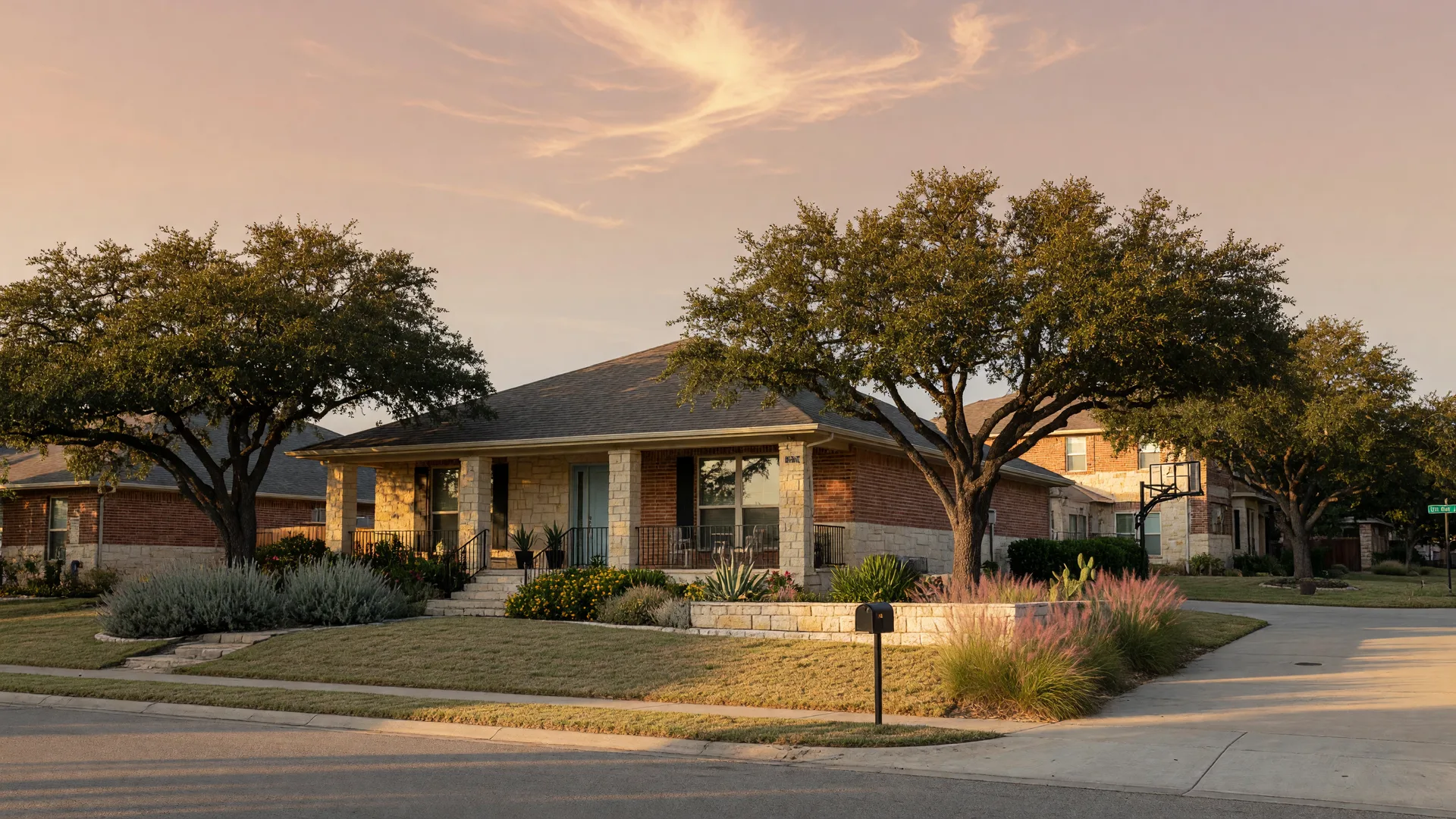
In August 2026, homes in the San Antonio metro averaged 82 days on the market and still sold for 92.8% of their original list price, according to SABOR data. Source: SABOR August 2026 market statistics. When a listing lingers, buyers tend to jump to the worst conclusion, but days on market is one of the most misunderstood numbers in real estate. It rarely says anything about the condition of the home, and it often says a great deal about pricing, timing, and marketing.
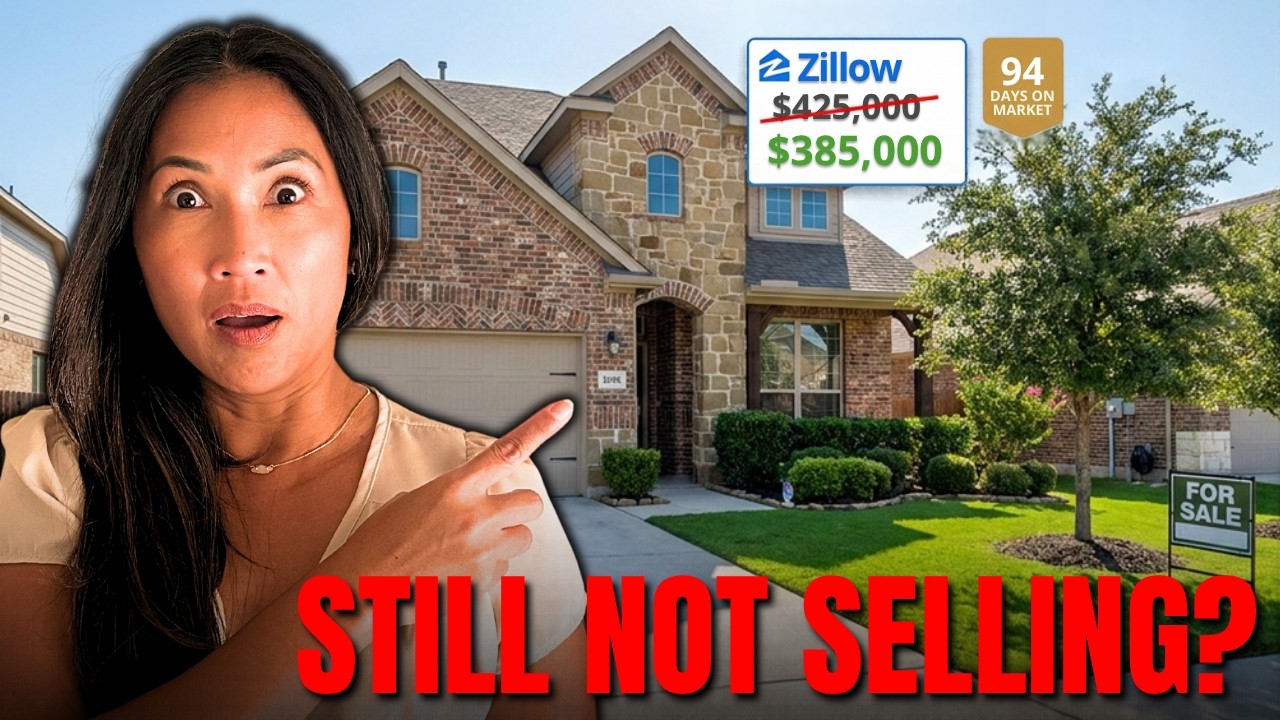
Why You Shouldn't Assume a Home Has Been Sitting Because of a Major Issue More videos are on my channel .
The real reasons homes sit
Almost none of the common reasons involve damage. This is what I see again and again on listings that take a while to sell, and every one of them is solvable:
- List price above what the market will support for that particular home, which usually takes a reduction or two to correct.
- Condition that needs cosmetic updates, not structural repair. Fresh paint, flooring, and landscaping move homes; a dated kitchen is not a cracked foundation.
- Poor photos or marketing from the first listing. Bad photos hide a good home, and a relisting with professional photography is common.
- Awkward timing, like listing over the holidays or mid school year, when buyer traffic naturally thins out.
- A seller who is not motivated yet, so the price stays high while they test the market without urgency.
- Financing contingencies that fell through, which can put a perfectly good home back on the market through no fault of its own.
The red flags that ARE worth investigating
There are real concerns that deserve your attention when a home has been listed a long time. None of these is an automatic reason to walk away; each one is a reason to verify with a professional inspection before you write an offer. An inspection turns fear into facts, and the facts are usually smaller than the fear.
- Foundation concerns, like cracks in drywall or doors that stick, which an inspector and a foundation specialist can evaluate.
- Roof age. A roof near the end of its life is a cost to plan for, not necessarily a reason to walk away.
- Water damage marks on ceilings or walls, which an inspection can trace to a resolved leak or an active one.
- A long vacancy, since an empty house can hide plumbing and pest issues that only show up once someone is using the home.
- Strange odors, which deserve a source identified before you commit.
- Repeated price cuts with no explanation, which is worth a direct question to the listing agent.
Every one of these deserves a professional inspection before any offer, and none of them means the home is a lost cause.
How to use days on market as a buyer
A longer days on market number is a possible opportunity, not a trap. It means the seller and the market have not yet agreed on a price, and that usually creates negotiating room for a buyer who does their homework. Put the number to work with four simple, pressure-free steps:
- Ask the seller's agent directly why the home has been listed this long. You will often get a straight, honest answer.
- Look up when it was last price reduced and by how much. A home that recently adjusted is a home ready to talk.
- Compare its days on market to neighborhood averages for similar homes, so you are reading the number in context.
- Tour it with an open mind and judge the condition based on an inspection, not on how long the sign has been up.
Take the whole picture, not the number alone. In a balanced market like San Antonio's, a sitting listing can be exactly where the negotiation starts.
I can run the numbers on a listing you are watching
If there is a San Antonio or Boerne listing you have been watching, send it my way. I will pull the listing history, the price changes, and the neighborhood context, and give you a straight read on whether it is a real opportunity, no pressure attached.
Frequently asked questions
Why do homes sit on the market in San Antonio?
Usually for reasons that have nothing to do with the home itself: list price above what the market will support, condition that needs cosmetic updates rather than structural repair, poor photos or marketing from the first listing, awkward timing around the holidays or school year, a seller who was not motivated yet, or a prior buyer's financing falling through. In August 2026, San Antonio metro homes averaged 82 days on the market and still sold for 92.8% of their original list price, according to SABOR data.
Should I avoid a listing that's been on the market a long time?
No. Days on market is one data point, not a verdict. A long time on the market usually signals pricing, timing, or marketing issues that create negotiating room, not a broken home. The things worth genuine scrutiny, such as foundation concerns, roof age, water damage marks, long vacancy, strange odors, or repeated price cuts with no explanation, are questions a professional inspection answers before any offer. None of them automatically means the home is a lost cause.

Written by Phyllis Domingo
REALTOR® · TX License 745926 · 100+ homes sold · Helping families move well in San Antonio and the Hill Country since long before the hard part became normal.
Have a question about this topic?
Every family's situation is different. Send me a note and I will respond personally, usually within a business day.